
Principal Investigator
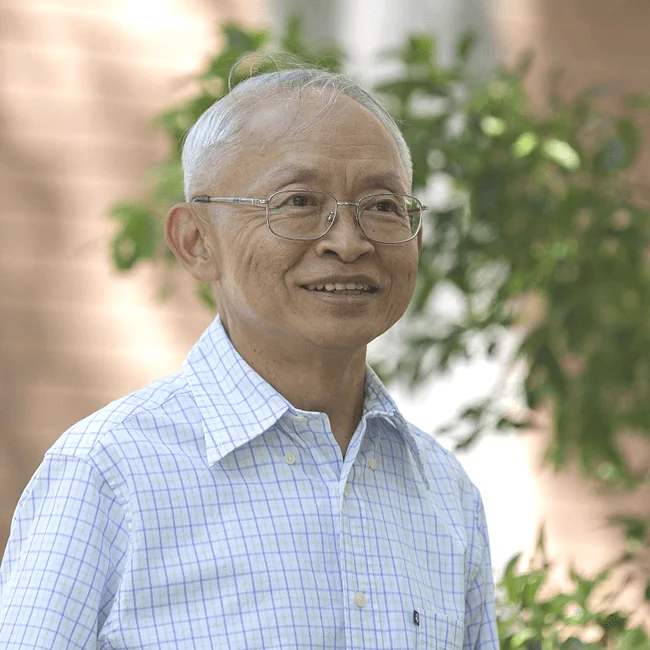
Professor Lin-shan Lee
Lin-shan Lee is Emeritus Professor in the Department of Electrical Engineering at National Taiwan University and Principal Investigator of the Top-tier Artificial Intelligence Research Center.
A pioneering and authoritative scholar in artificial intelligence and speech recognition, he spearheaded the development of Mandarin speech technology by establishing the world’s first comprehensive Mandarin speech recognition and processing framework and creating the first full-scale Mandarin speech system. His contributions laid the technological foundation for Mandarin speech applications now widely embedded in smartphones and information services.
He is an Academician of Academia Sinica, an IEEE Fellow, and a recipient of the ISCA Medal for Scientific Achievement and the Presidential Science Prize. In 2018, Nature recognized him as a “Star of Science in East Asia” and a “Coding Pioneer.”

Professor Yung-Yu Chuang
Yung-Yu Chuang is Distinguished Professor in the Department of Computer Science and Information Engineering at National Taiwan University.
His research spans computer vision, computer graphics, and computational photography. He has published extensively in leading venues such as CVPR, ICCV, ECCV, and SIGGRAPH, and has served as Area Chair for major AI conferences including CVPR, ICCV, ECCV, NeurIPS, and ICLR, as well as on the editorial boards of IEEE TPAMI and IEEE TVCG.
His honors include the NSTC Ta-You Wu Memorial Award, the Academia Sinica Research Award for Junior Research Investigators, and the NSTC Distinguished Research Award. He also holds the Appier AI Chair Professorship and the CyberLink Perfect Chair Professorship.

Professor Hsuan-Tien Lin
Hsuan-Tien Lin is Professor in the Department of Computer Science and Information Engineering at National Taiwan University.
His research focuses on the theoretical foundations and practical applications of machine learning, aiming to bridge academia and industry. He co-authored the influential textbook Learning from Data and offers globally acclaimed Coursera courses, “Machine Learning Foundations” and “Machine Learning Techniques.” He previously served as Chief Data Scientist and Consultant at Appier, contributing to its successful IPO in Japan, and led National Taiwan University teams to six ACM KDD Cup championships.
He has received the NSTC Distinguished Research Award, the Ta-You Wu Memorial Award, and multiple teaching and mentoring excellence awards.
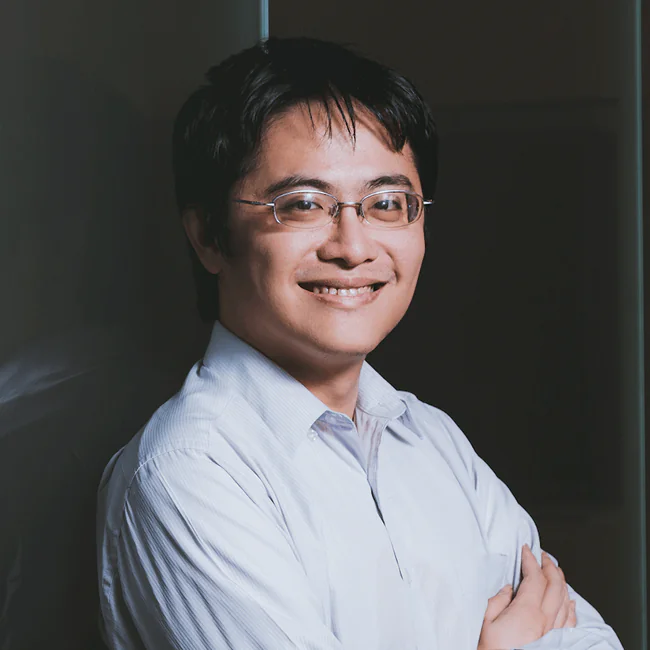
Professor Hung-yi Lee
Hung-yi Lee is Professor in the Department of Electrical Engineering at National Taiwan University, specializing in speech processing and natural language processing.
He is an ISCA Fellow and a member of the ISCA Board. His students have received Best Paper Awards at INTERSPEECH 2018 and SLT 2022. Recognized by CommonWealth Magazine as one of the influential figures shaping Taiwan’s AI future, he is also dedicated to public education through his deep learning YouTube channel, which has over 350,000 subscribers. His honors include the Ten Outstanding Young Persons of Taiwan and the Ta-You Wu Memorial Award.

Professor Shou-De Lin
Shou-De Lin is Professor in the Department of Computer Science and Information Engineering at National Taiwan University, with expertise in data mining and machine learning.
He has combined academic excellence with industry leadership, serving as Chief Machine Learning Scientist at Appier and leading his team to receive the 2020 Best Overall AI-driven Analytics Solution award from AI Breakthrough. He also led National Taiwan University teams to six ACM KDD Cup championships.
His international recognitions include the Google Research Award, the Microsoft Research Grant Award, and multiple U.S. AFOSR/AOARD Research Awards, in addition to the Ta-You Wu Memorial Award and the Pan Wen Yuan Foundation IoT Innovation Award.
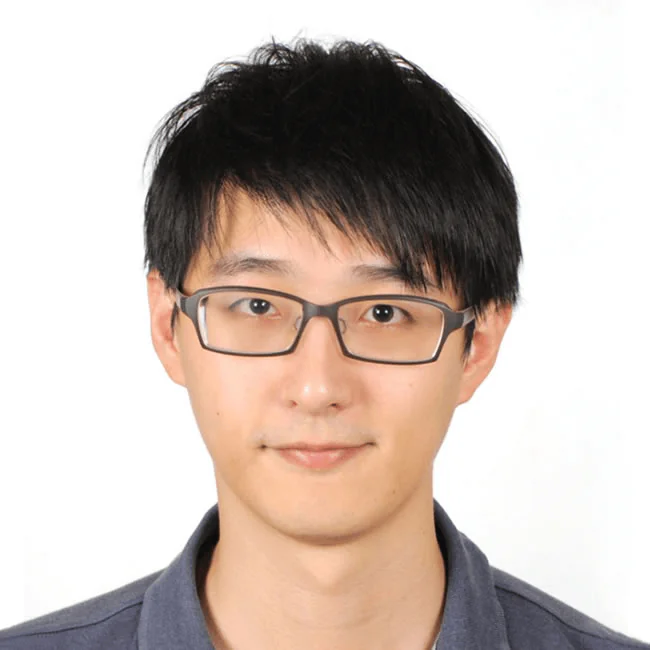
Professor Yi-Hsuan Yang
Yi-Hsuan Yang is Professor in the Department of Electrical Engineering at National Taiwan University, specializing in music information retrieval and artificial intelligence.
From 2019 to 2023, he served as Chief Music Scientist at Taiwan AI Labs, leading the development of innovative models such as MidiNet, MuseGAN, and the Pop Music Transformer. He has published over 200 papers with more than 11,000 citations and has served as Associate Editor for IEEE Transactions on Multimedia and IEEE Transactions on Affective Computing. His distinctions include the Ta-You Wu Memorial Award and the IEEE ICME Multimedia Rising Stars Award.
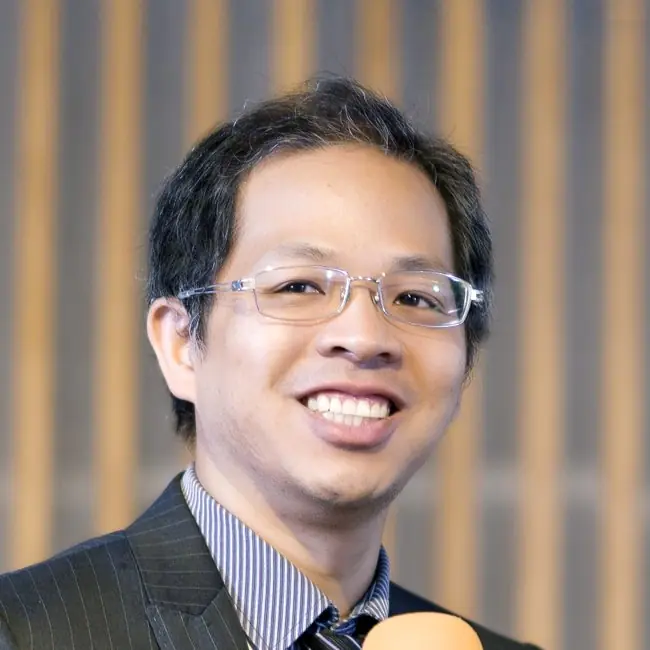
Professor Wen-Huang Cheng
Wen-Huang Cheng is Distinguished Chair Professor in the Department of Computer Science and Information Engineering at National Taiwan University and Visiting Professor at KAIST.
His research focuses on multimedia content analysis, computer vision, and machine learning. In 2023, he was named an IEEE Fellow for his contributions to intelligent multimedia computing, becoming the youngest recipient in Taiwan in the past two decades.
His honors include the NVIDIA Academic Grant Program Award and the IEEE Consumer Electronics Magazine Best Paper Award, along with multiple distinguished engineering professorship awards.

Professor Chun-Yi Lee
Chun-Yi Lee is Professor in the Department of Computer Science and Information Engineering at National Taiwan University.
His research encompasses intelligent robotics, deep learning, and parallel computing, with publications in premier venues such as NeurIPS, ICML, ICLR, CVPR, and TPAMI, addressing topics including deep reinforcement learning and digital twins.
His teams have received awards in the NVIDIA AI at the Edge and Jetson Developer Challenges, and he maintains strong industry collaborations with MediaTek, Lite-On, and ITRI to promote technology transfer. He is a recipient of the NSTC Ta-You Wu Memorial Award.

Assistant Professor Shao-Hua Sun
Shao-Hua Sun is Assistant Professor in the Department of Electrical Engineering at National Taiwan University.
His research interests include artificial intelligence, machine learning, robot learning, reinforcement learning, and program synthesis. Since joining the university in 2022, his team has published over 20 papers in top-tier conferences such as NeurIPS, ICML, ICLR, CoRL, EMNLP, COLM, and EACL.
He has organized tutorials at NeurIPS 2024 and ACML 2023, as well as workshops at ICML, RLC, and CoRL 2025. He has been recognized as a Yushan Young Scholar and received the NSTC Ta-You Wu Memorial Award.
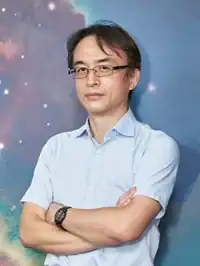
Dr. Chih-Hung Hsiao
Dr. Chih-Hung Hsiao currently serves as Deputy Director of the National Center for High-performance Computing under the National Applied Research Laboratories. His research interests span high-performance computing, free and open-source software, Linux cluster systems, cloud and distributed computing, automated system deployment, cybersecurity, and scientific computing infrastructure.
Over the years, Dr. Hsiao has been deeply involved in the management of large-scale computing environments and the promotion of open-source technologies. He has also played a key role in the development of Taiwan’s supercomputing facilities and national-scale scientific research infrastructures, making significant contributions to the advancement of high-performance computing, open-source software, and digital research infrastructure in Taiwan.
Among his most notable technical achievements is leading the development of the globally recognized open-source software projects DRBL (Diskless Remote Boot in Linux) and Clonezilla. Clonezilla has become one of the most widely adopted system backup and disk imaging solutions worldwide, with extensive applications in education, research, and enterprise IT management. In recognition of these contributions, the free software team led by Dr. Hsiao received the prestigious Outstanding Science and Technology Contribution Award in 2008, marking a major milestone in the development of free and open-source software technologies in Taiwan.
Faculty

Assistant Professor Shih-Hsin Wang
Dr. Shih-Hsin Wang is an Assistant Professor in the Department of Computer Science and Information Engineering at the National Taiwan University and a recipient of the 2026 Yushan Young Scholar Award from the Ministry of Education. He received his Ph.D. in Mathematics from the University of Utah. His research focuses on generative models, including Flow Matching, diffusion models and inference-time guidance methods, as well as geometric deep learning and AI for Science.
His work aims to develop efficient, theoretically grounded artificial intelligence methodologies with broad potential for scientific discovery and real-world scientific applications.
Dr. Wang’s research has been published at leading international conferences in machine learning and artificial intelligence, including ICML, ICLR, and NeurIPS. His work received particular recognition through an ICLR 2025 Oral Presentation, one of the conference’s most selective distinctions. His international research experience includes serving as a Visiting Graduate Researcher at the University of California, Los Angeles and as a Research Intern at the Los Alamos National Laboratory. Through his interdisciplinary background in mathematics and machine learning, Dr. Wang continues to advance the theoretical foundations and scientific applications of modern generative AI.
Adjunct Faculty
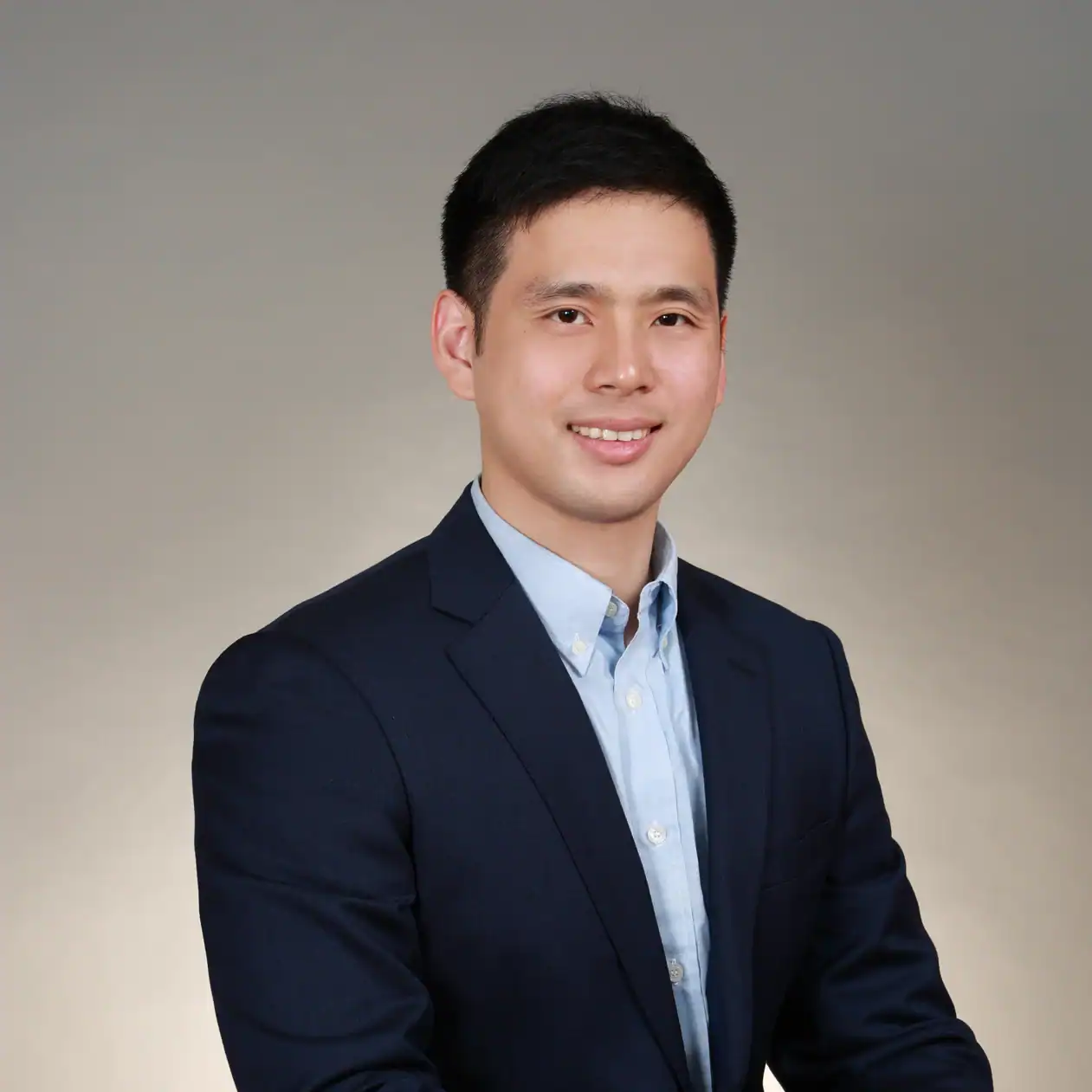
Assistant Professor Eli Chien
Professor Eli Chien is a faculty member in the Department of Electrical Engineering at the National Taiwan University (NTU), with a joint appointment in the Graduate Institute of Communication Engineering. His research focuses on trustworthy artificial intelligence, particularly on addressing privacy and security challenges in AI systems. His work spans a wide range of areas, including machine unlearning, differential privacy, AI intellectual property protection, privacy-preserving synthetic data generation, deanonymization, and graph machine learning.
Professor Chien maintains strong engagement with the international research community. Prior to joining NTU, he served as a Visiting Researcher at Google Research. He also organized two minisymposia at the MDS 2024 conference, contributing to academic exchange in data science and AI.
His research has been published at leading international venues across multiple disciplines, including machine learning and artificial intelligence (NeurIPS, ICML, ICLR, AAAI), large language models and natural language processing (ACL, COLM), data mining (KDD, The Web Conference), and information theory (ISIT, IEEE Transactions on Information Theory). His work has received notable recognition, including a NeurIPS 2024 Spotlight and an ICLR 2025 Spotlight paper. In 2026, he was selected as a Yushan Young Scholar by Taiwan’s Ministry of Education.
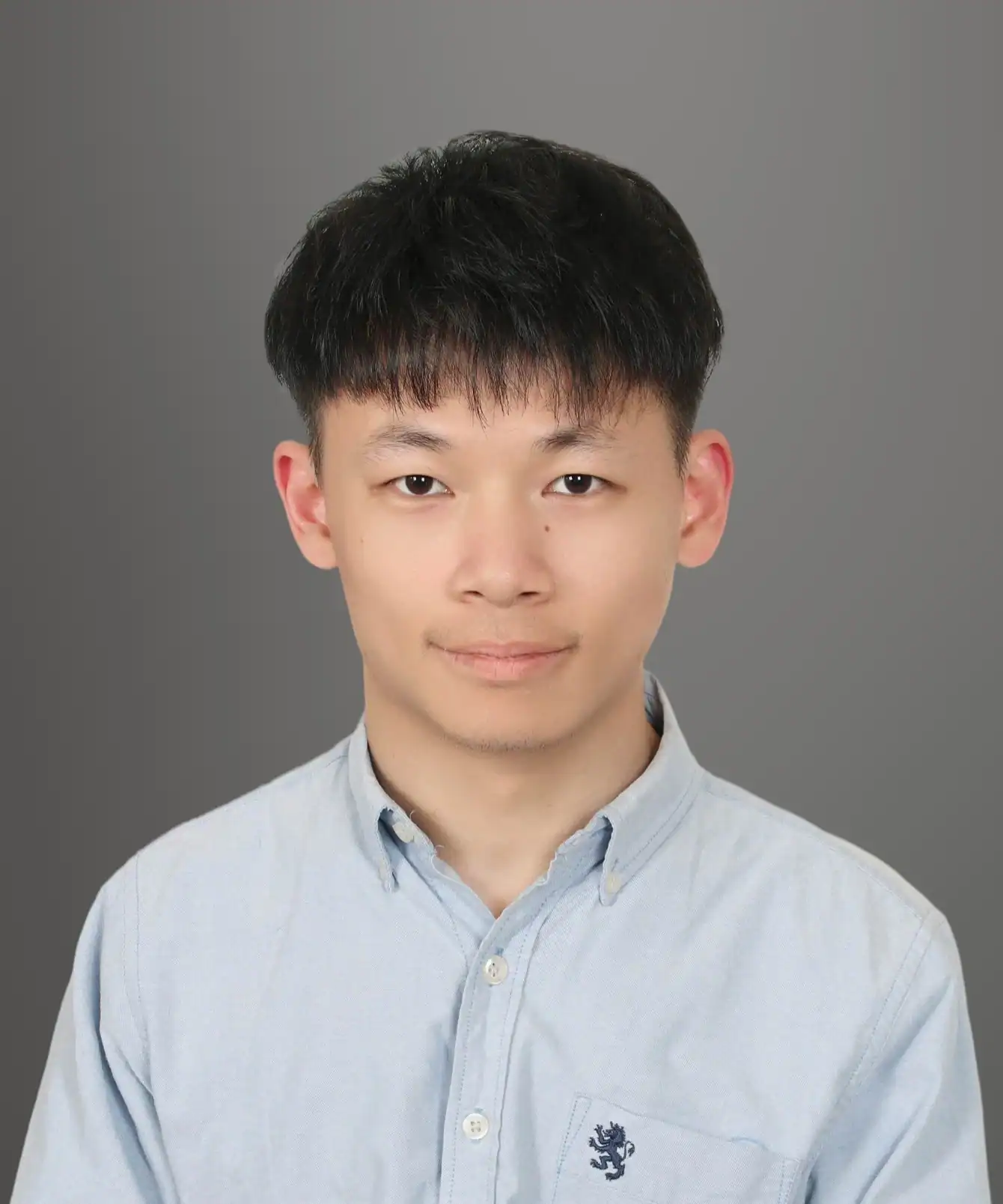
Assistant Professor Shao-Yuan Lo
Dr. Shao-Yuan Lo is an Assistant Professor in the Department of Computer Science and Information Engineering at the National Taiwan University (NTU). His research focuses on trustworthy artificial intelligence and reasoning in multimodal foundation models. Before joining academia, he worked as an AI Scientist at Honda Research Institute USA in Silicon Valley, bringing extensive experience spanning both academia and industry.
His research contributions have been published in premier AI conferences and journals, including CVPR, ECCV, ICML, ICLR, and IEEE Transactions on Pattern Analysis and Machine Intelligence (TPAMI). Several of his papers have been recognized as Highlight or Spotlight presentations. In addition to his academic achievements, he holds multiple U.S. patents related to artificial intelligence technologies and applications.
Dr. Lo has received numerous honors, including the Yushan Young Scholar Award from Taiwan’s Ministry of Education (2025), the CVPR 2025 Outstanding Reviewer Award, and the Best Paper Award at ACM Multimedia Asia 2019. He is also an active contributor to the international research community, having served on the organizing committees of AVSS 2025 and AVSS 2027, co-organized workshops at CVPR and ICCV, and acted as an Area Chair for major conferences such as NeurIPS, ICML, ICLR, ICASSP, and ICRA.